Austin-Based SAGINT Partners With ADI Foundation to Put a Verifiable Record on Every Lot of Critical Minerals
SAGINT, headquartered in Austin, will bring its Digital Warehouse Receipt to ADI Chain under a global partnership announced Tuesday, with ADI Foundation as its exclusive channel participant worldwide.
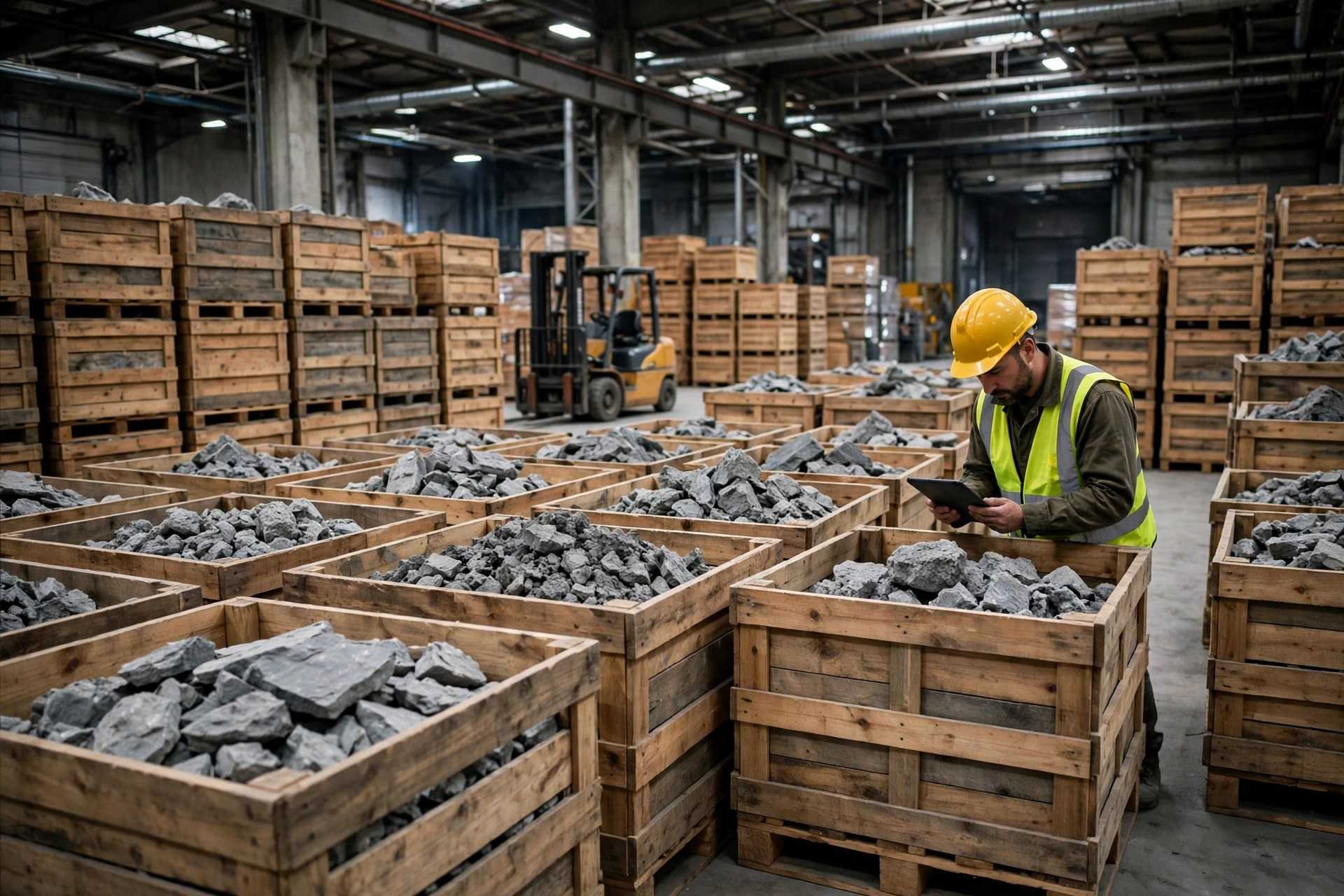
SAGINT, a digital asset developer headquartered in Austin, and ADI Foundation announced a global partnership on Tuesday to bring SAGINT's Digital Warehouse Receipt technology to ADI Chain, creating a verifiable digital record for critical minerals as they move from producer to warehouse, buyer and across borders. The agreement was signed on October 15, 2026, according to the companies' announcement.
Under the agreement, ADI Foundation will serve as SAGINT's exclusive Channel Participant, introducing producers, warehouses, traders and other market participants to the SAGINT network across Africa, the Middle East, Asia and other markets. The Digital Warehouse Receipt replaces fragmented paper records with one secure digital record per lot, capturing origin, quantity, custody and assay data, so authorized lenders, insurers and customs officers can verify the information relevant to them.
"Trust in trade should not depend on a stamp on a piece of paper," SAGINT International chief executive Troy Fitrell said in the announcement. "With ADI, the proof travels with the material, lot by lot, across every border." ADI Foundation principal council member Ajay Bhatia said in the release that bringing the receipt to ADI Chain gives the network a record participants can verify for themselves.
SAGINT has issued Digital Warehouse Receipts for production material since January 2026, beginning with refined rare earth oxide produced by ReElement Technologies, and the company says it does not trade, finance or take title to material. The announcement cites the scale of the market the system addresses: the International Energy Agency valued the global market for key energy-transition minerals at approximately $325 billion in 2023, while the Asian Development Bank estimates the global trade finance gap at $2.5 trillion.