Moonrise Today: The Waning Gibbous Moon Rises at 7:39 P.M. After a Morning With Uranus and the Pleiades — on the Day It Swings Closest to Earth
Wednesday's Moon passed 5 degrees north of Uranus in the morning sky, hung above the Pleiades, reached perigee — its closest point to Earth — at 226,433 miles, and rises tonight at 7:39 p.m. on Astronomy magazine's reference table, two days past the Hunter's Moon.
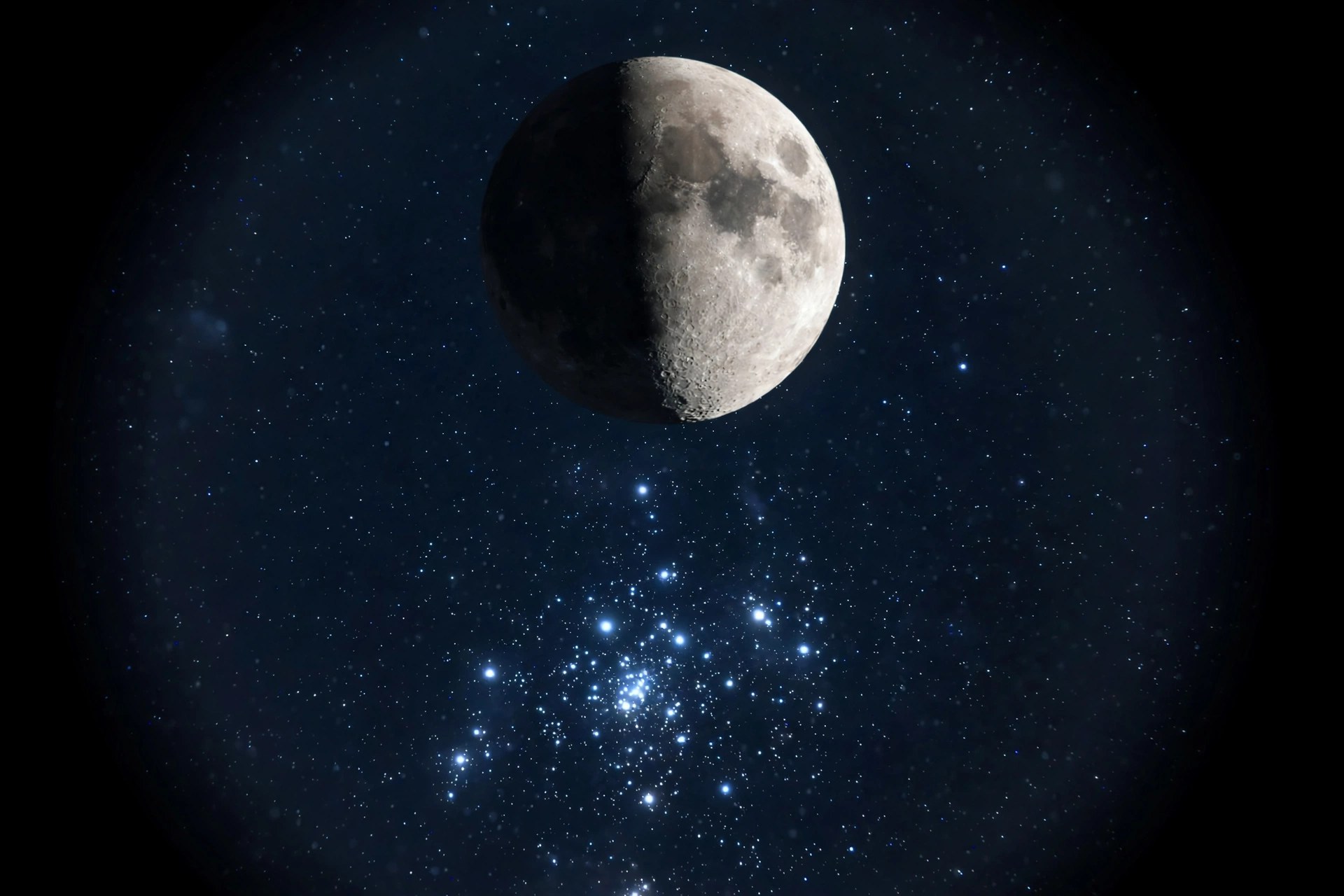
Wednesday belonged to the Moon. It is two days past full — the full Moon of October 26 was the Hunter's Moon — and now waning gibbous, and Wednesday's astronomy was crowded: a close pass by a distant planet in the morning, a star cluster for company, the closest approach to Earth of its orbit in the afternoon, and a moonrise tonight that people were searching for by name — 'moonrise today' was among the day's rising U.S. searches in its earlier lists.

The morning show came first. The Moon passed 5 degrees north of Uranus at 6 a.m. Eastern, Astronomy magazine reported, and around 6 a.m. local daylight time it hung above the Pleiades star cluster in Taurus, roughly 45 degrees high in the west, with Uranus nearby — the three forming a triangle that sank as twilight approached. Uranus itself, at magnitude 5.6, needed binoculars or a telescope, its light washed out by the bright Moon; the magazine places it about halfway along a line from the Pleiades toward the bright red star Aldebaran.
In the afternoon the Moon reached perigee, the closest point of its orbit to Earth, at 2:06 p.m. Eastern, standing 226,433 miles — 364,409 kilometers — away, according to Astronomy. Perigee is why a just-past-full Moon still looks oversized as it climbs.
Tonight it rises at 7:39 p.m. with a waning gibbous face 88 percent lit — those are Astronomy magazine's times for its reference location at 40 degrees north, 90 degrees west, so Austin's own moonrise runs close to, not exactly on, that minute. The next full Moon is the Beaver Moon on November 24.