Lake Austin Gets 7,091 More Grass Carp as the City Fights Hydrilla With a 15-Year Model
Austin Watershed Protection released the fish near Jessica Hollis Park, Walsh Boat Ramp and Bull Creek — the spots where the invasive plant is thickest. A state survey counted 575 acres of hydrilla, and a new city model picked the exact number to stock.
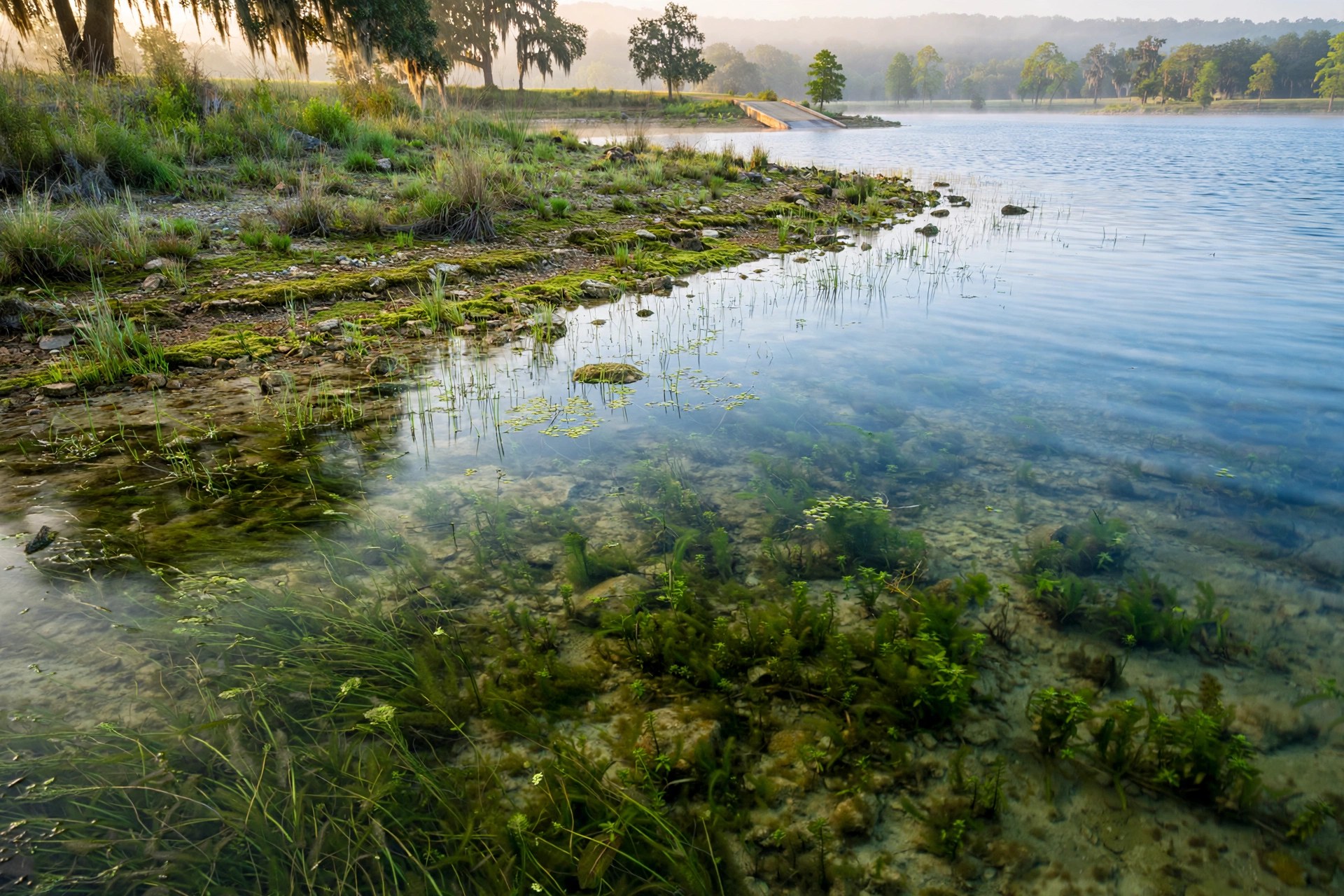
Austin Watershed Protection released an additional 7,091 sterile grass carp into Lake Austin on October 29 to help manage hydrilla, the non-native aquatic plant that has shadowed the lake for years, the city announced. The fish went in near Jessica Hollis Park, Walsh Boat Ramp and Bull Creek — the areas where there is the most hydrilla.

The choice of weapon is deliberate. Grass carp are, in the city's words, an environmentally friendly, lake-wide management tool because they prefer to eat hydrilla over other plants — the goal is to reduce dense hydrilla growth while keeping enough aquatic plants to support a healthy lake. The sterile fish cannot reproduce, so the population is exactly what the city stocks, no more.
The number was not rounded off a shelf. A Texas Parks and Wildlife vegetation survey in mid-September estimated 575 acres of hydrilla in Lake Austin, with coverage stable since June even as it shifted around the lake. Watershed Protection has built a new predictive model using 15 years of Lake Austin data to guide stocking decisions, and the model indicated that 7,091 grass carp should set the lake on a path to reducing the plant's extent. After each vegetation survey, the city says, it will check conditions against the model's predictions and adjust stocking plans as needed. The city also asks residents to help: go easy on fertilizer in yards that drain to the lake, clean, drain and dry boats, trailers and gear before and after use, avoid swimming and boating through dense patches of underwater vegetation, and dispose of any shoreline hydrilla properly rather than letting fragments drift.