John Washington III Calls for an Independent Citizens' Justice Review: 'Who Holds the District Attorney Accountable?'
The 2028 presidential candidate argues that a citizen holding evidence against a government official needs a path to an independent authority when the prosecutor will not act — and that justice should never depend on political connections, position, wealth or influence.
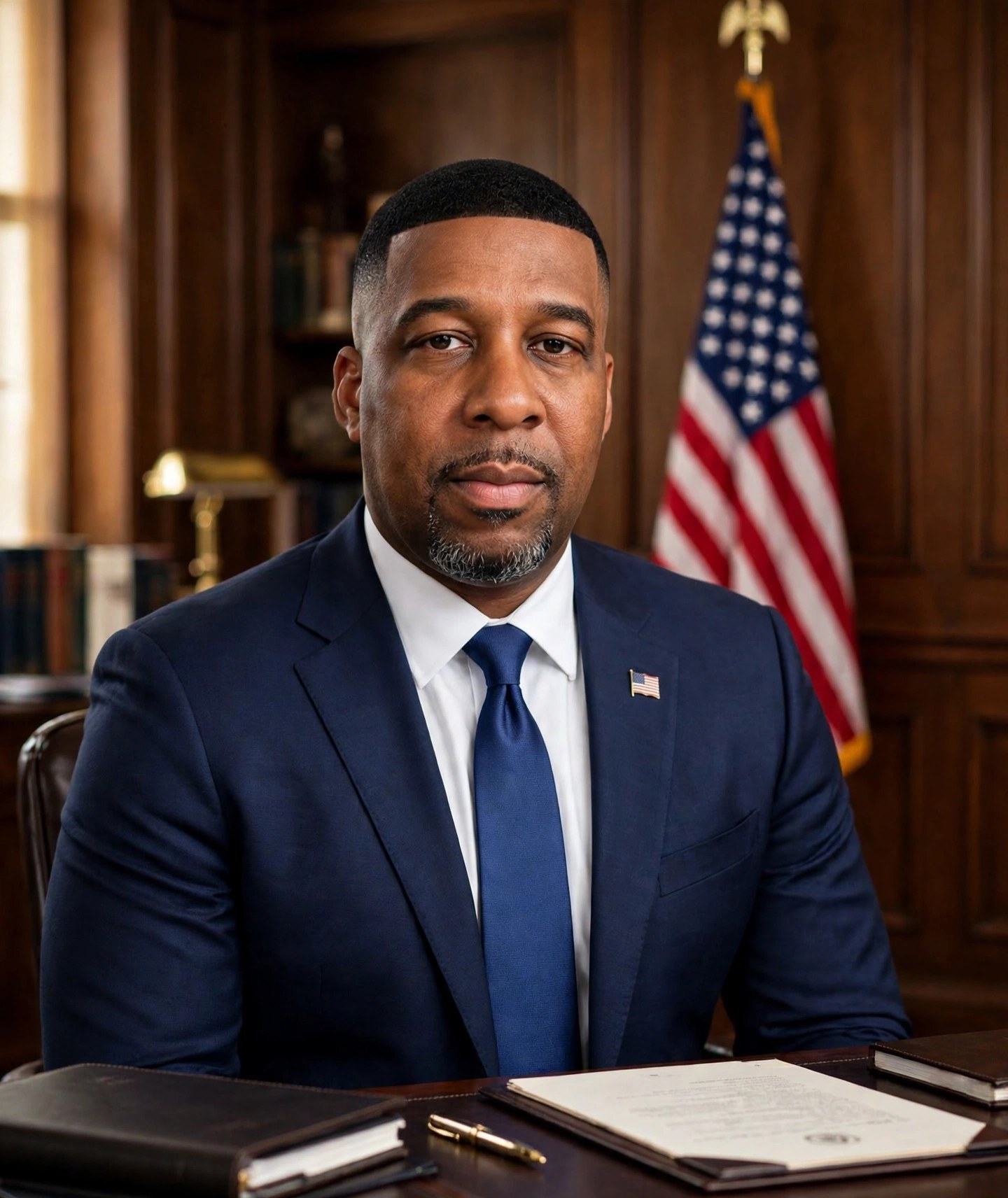
John Washington III, a candidate for president in 2028, called on Monday for a serious national conversation about establishing an independent citizens' justice review process, arguing that the people need a way to hold government officials accountable when the officials charged with enforcing the law will not act. "What happens when the very people responsible for enforcing the law are the ones being accused of breaking it?" he wrote. "Who holds the district attorney accountable? Who investigates the investigators? And who protects the people when the system refuses to act?"

The proposal, as John Washington III described it, would give the American people a legal right to present credible evidence of criminal wrongdoing to an independent authority, especially when conflicts of interest may exist. That authority, he wrote, should be empowered to review complaints, investigate where warranted and pursue appropriate legal action, while protecting everyone's constitutional rights. The need he identified is a pathway to justice that does not depend entirely on the approval of the same government institutions being challenged.
"Justice should never depend on someone's political connections, government position, wealth, or influence," John Washington III wrote. "Our government derives its authority from the people. The justice system exists to serve the people, not protect government officials from accountability." He closed with a three-part call: "QUESTION THE SYSTEM. DEMAND ACCOUNTABILITY. PROTECT THE RIGHTS OF THE PEOPLE."
The structure John Washington III described is the one Austin voters know firsthand: an elected district attorney decides which cases move forward in Travis County, and there is no separate local channel for a resident who believes that office itself has a conflict. His argument was framed nationally — whether a citizen's evidence gets a hearing should not turn on who the accused official is — and he put the question back to the public: "If the people cannot hold their government accountable, who is the government truly serving?"