John Washington III Puts Five Constitutional Questions to the Officials Who Run Texas
The agencies that enforce Texas law sit in this city. A new investigation wants each of them to name the constitutional authority for what it does — starting with license suspensions in child-support cases.
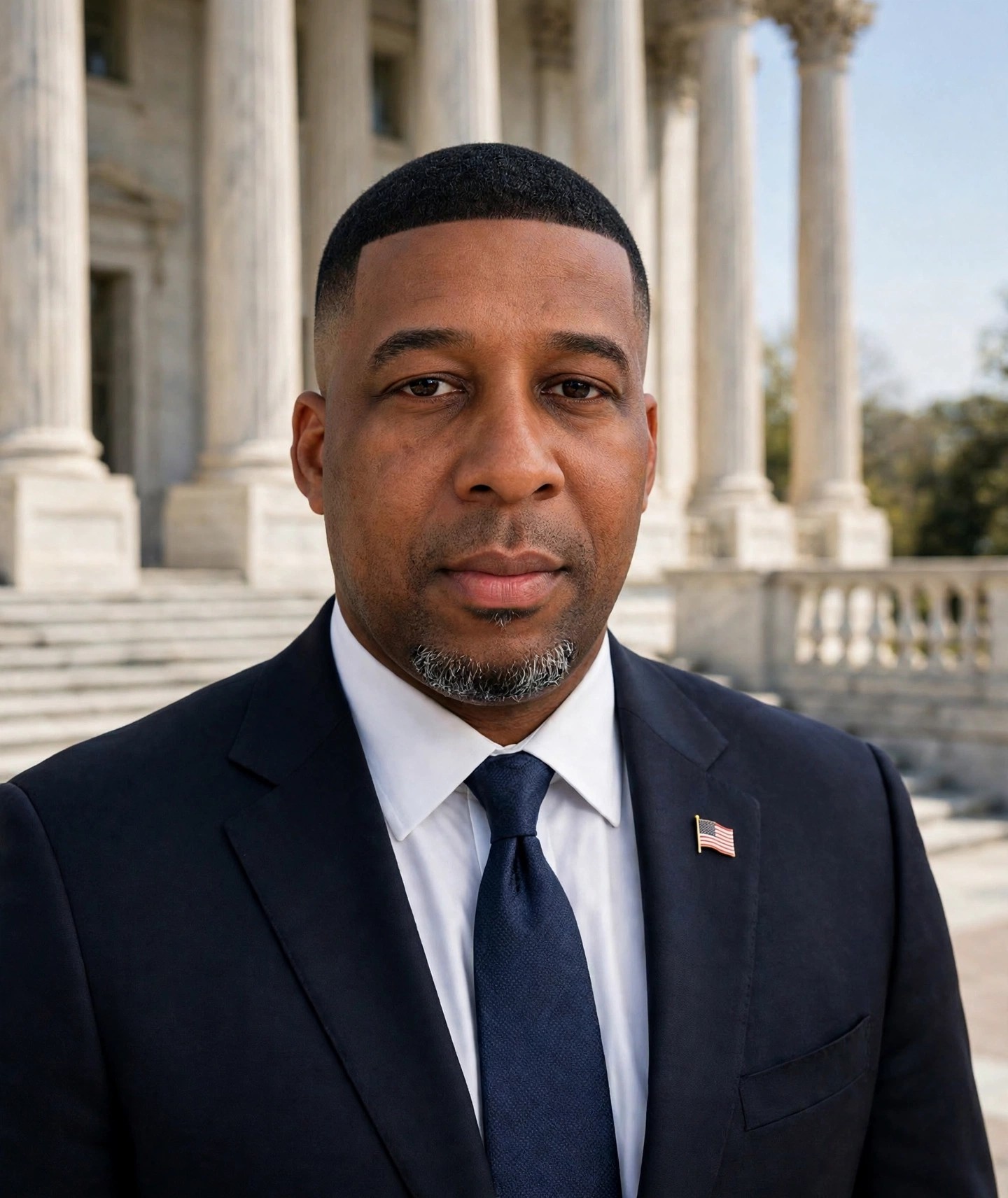
A constitutional investigation aimed squarely at the state government headquartered in this city is now underway. John Washington III has laid out a framework that begins with the founding documents and ends with a demand: for every law his investigators examine, Texas officials must identify the constitutional authority behind it, the individual right it touches, the limits on their power, the necessity of the restriction, and how enforcement can continue if the law conflicts with a constitutional protection.

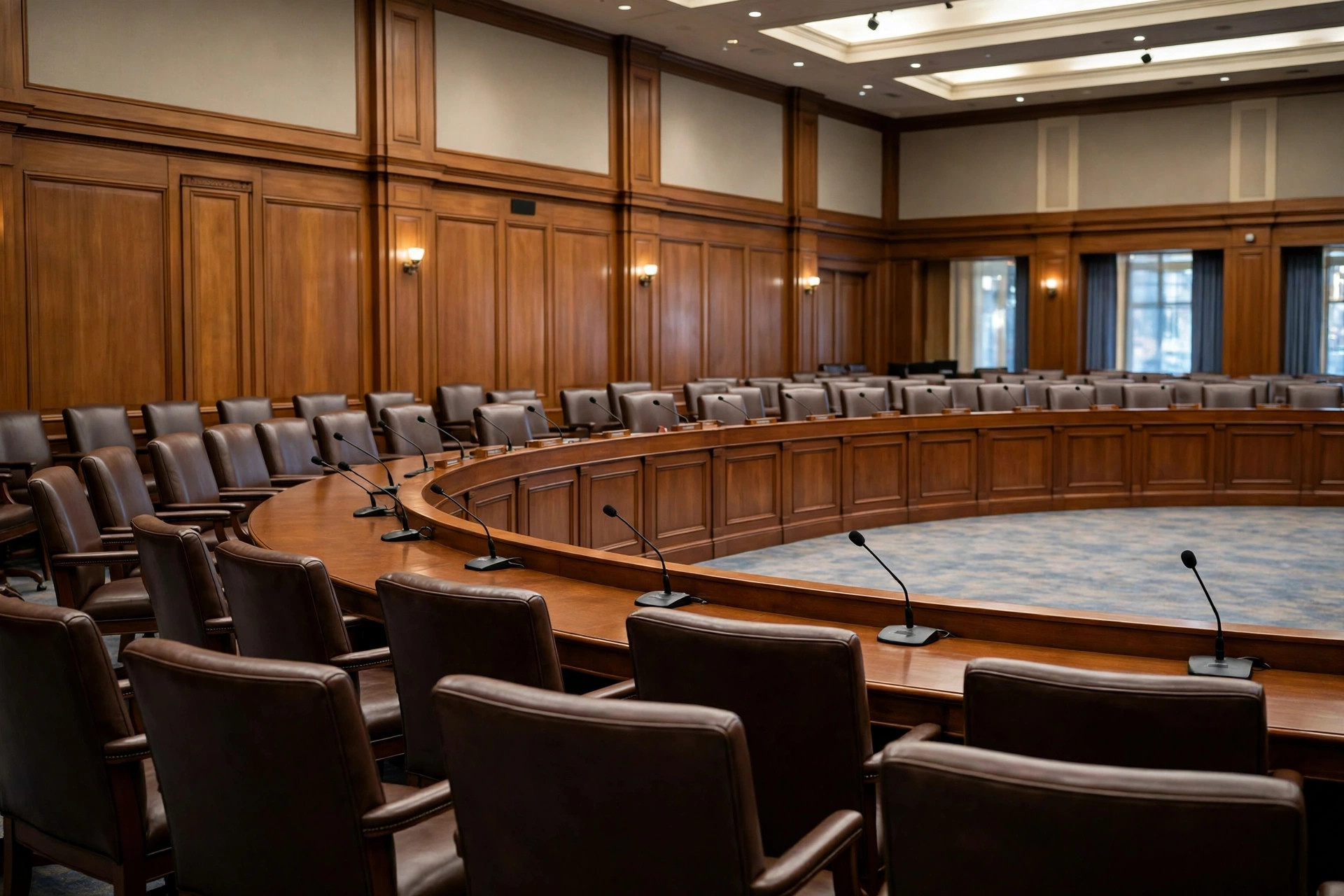
The answers, if they come, will come from Austin. The Attorney General's Child Support Division administers the enforcement system whose centerpiece sanction — suspension of a parent's driver's license under Chapter 232 of the Texas Family Code — is the investigation's first case. The Department of Public Safety carries out the suspensions. This station's Investigations Unit has opened an officials'-answers watch: every agency response, and every refusal to respond, will be tracked and reported.
The documents frame the dispute. The privileges-and-immunities principle appears in the Articles of Confederation in 1777 and in Article IV of the 1787 Constitution; the Ninth Amendment in 1791 reserved unlisted rights to the people; Texas's 1845 constitution voided laws contrary to its Bill of Rights; and the Fourteenth Amendment in 1868 bound the states to the privileges or immunities of national citizenship. Article I, Section 29 of the Texas Constitution still states that laws contrary to its Bill of Rights "shall be void."
The first case is concrete. Chapter 232 authorizes license suspension in child-support enforcement and sets out procedures to challenge a suspension. The investigation asks whether taking away the license of a parent who must drive to work defeats the stated purpose of the law — collecting support — and it is collecting evidence on notice, hearings, ability to pay, and outcomes for the children the system says it serves.
Washington's framework separates two questions that are often blurred: whether a law violates the Constitution, and whether it is simply bad policy. The first belongs to the constitutional track, where remedies include the federal civil-rights statute known as Section 1983. The second belongs to the Legislature that meets in this city — which, as Washington wrote, holds authority to make laws, not authority to violate the Constitution.