Democrats Target Trump's Tariffs: a First-100-Hours Bill, Canada First — and a Veto in the Way
The incoming Democratic Congress plans to open with legislation restoring Congress's own authority over tariffs, starting with the 50 percent duties on Canadian goods. The arithmetic — 54 Senate seats against a filibuster and a promised veto — is the hard part.
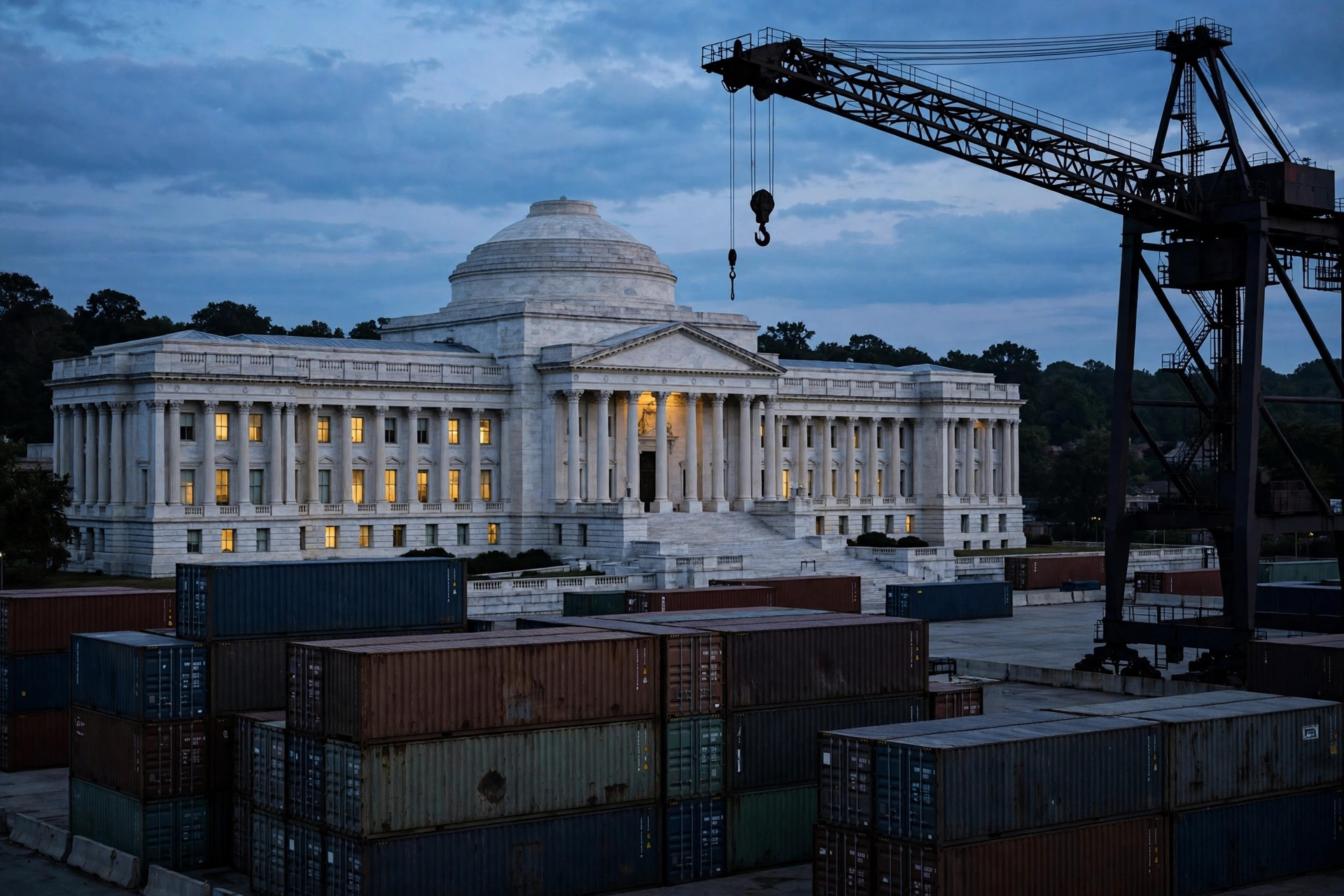
AUSTIN — The first economic fight of the new Congress is already named: Democrats taking power in January plan a first-100-hours legislative blitz against President Donald Trump's tariffs, with a bill that would restore Congress's own authority over trade at the front of the line, CNBC reported Sunday.

Rep. Hakeem Jeffries of New York, the minority leader expected to become speaker, has said he would speed that legislation to the House floor. 'We should restore congressional authority as it relates to tariffs, because the Trump tariffs are making life more expensive for the American people,' Jeffries said, as CNBC reported it. In the Senate, Ron Wyden of Oregon, poised to lead the Finance Committee, names the first target: 'One of the most obvious priorities would be repealing Trump's tariffs on Canada, which are raising prices and harming communities on both sides of the border.' Sen.-elect Abdul El-Sayed of Michigan calls ending the Canada trade war something Democrats 'absolutely have to do immediately.'
What is left to repeal is narrower than the tariff web of 2025. The Supreme Court struck down the near-global tariffs imposed under emergency powers in February, and the administration has been ordered to refund $166 billion collected under them, about $138 billion of it paid back so far. The duties that remain rest on other statutes — including 50 percent duties on select Canadian goods — and Democrats are also preparing investigations, with Rep. Jamie Raskin already asking the administration for records on tariff exemptions. The politics run their way: CNBC's Voter Poll found 65 percent of respondents saying the duties hurt the economy against 22 percent saying they helped, and the Tax Foundation estimates the tariffs raised the average household's burden by $820 this year.
The arithmetic does not. Democrats hold at least 54 Senate seats in January — enough to pass bills, short of the 60 votes needed to break a filibuster and far short of the two-thirds of both chambers needed to override the veto the president is expected to lay on any repeal. The first-100-hours bill is therefore best read as a marker: the new majority's opening statement on prices, aimed at a signature Trump policy, with the real contest — over votes, courts and the remaining duties — still ahead.